
Purdue Global cybersecurity expert talks about importance of protecting students online as they return to school
John Schimanski says students must learn to be good digital citizens
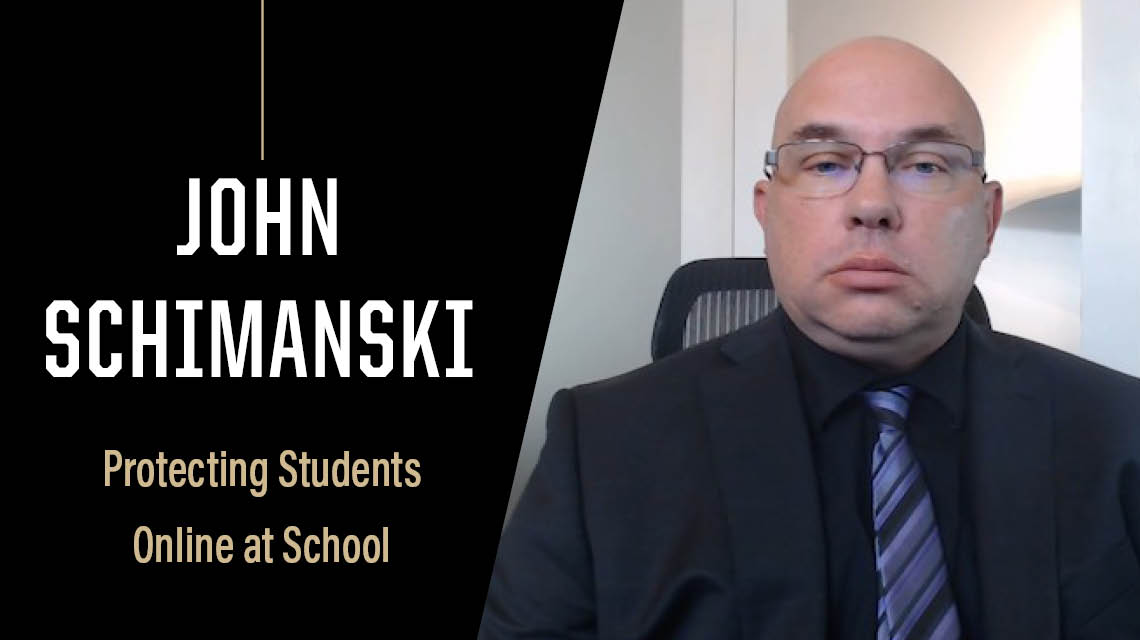
WEST LAFAYETTE, Ind. — As classrooms increasingly integrate digital tools and school-issued devices, protecting students from online risks like cyberbullying and scams has become a top priority.
John Schimanski — a cybersecurity faculty member in Purdue Global’s School of Business and Information Technology and a chief information security officer for multiple organizations with more than 30 years of information security experience — shared key insights regarding school cybersecurity practices, unseen online risks, and what parents and educators can do to foster safe digital habits.
Q: What measures can schools take to protect students online during the school day?
A: Essential technical safeguards like installing antivirus programs on school-issued devices, as well as using content-filtering technology to block inappropriate or unsecure websites, serve as a critical baseline. However, these technical defenses must be paired with structured education on digital citizenship.
Q: What specific questions should parents be asking school administrators about technology safety?
A: Parents should actively engage with administrators by asking:
- How are schools teaching children to be responsible, safe digital citizens?
- What web-filtering technologies are installed on assigned devices, and how do those protections function when students bring their equipment home?
- What specific lessons are being taught to help students recognize malicious content, unsecure websites and online scams?
Q: What are the most significant unseen digital risks that students face during the school day?
A: Dangerous threats often occur quietly behind the scenes and land directly in a student’s private inbox or messaging app where administrators and teachers cannot easily see them. Among the most concerning threats are:
- Cyberbullying: Peer harassment and targeted messaging via private chats or social platforms
- Online scams and phishing: Deceptive offers or “too good to be true” messages aimed at stealing personal information
- Exploitation: Malicious actors targeting young users through online gaming environments, direct messages or fake profiles, which can quickly escalate into extortion
Q: What essential skills do students need to navigate their devices and the internet safely?
A: Students must learn that online personas aren’t real friends. They need to know how to spot scams and fake profiles. Kids should trust their instincts — if something feels wrong, they must feel safe reporting it to an adult without fear of being judged or getting into trouble.
Q: Before sending children off to a digital learning environment, what is the single most important lesson parents should impart?
A: Reassure children that adults are there to help, not judge. If a child makes a mistake online, the priority is getting them out of harm’s way and turning it into a learning experience.
About Purdue Global
Purdue Global is Purdue’s online university for working adults who have life experience and often some college credits. It offers flexible paths for students to earn an associate, bachelor’s, master’s or doctoral degree, based on their work experience, military service and previous college credits, no matter where they are in their life journey. Purdue Global is a nonprofit, public university accredited by the Higher Learning Commission and backed by Purdue University. For more information, visit https://www.purdueglobal.edu.